
音響情報
【英國媒體 hi-fi+ 評選2026年度 最佳網路交換器】 ✨Nordost Qnet 7 ✨
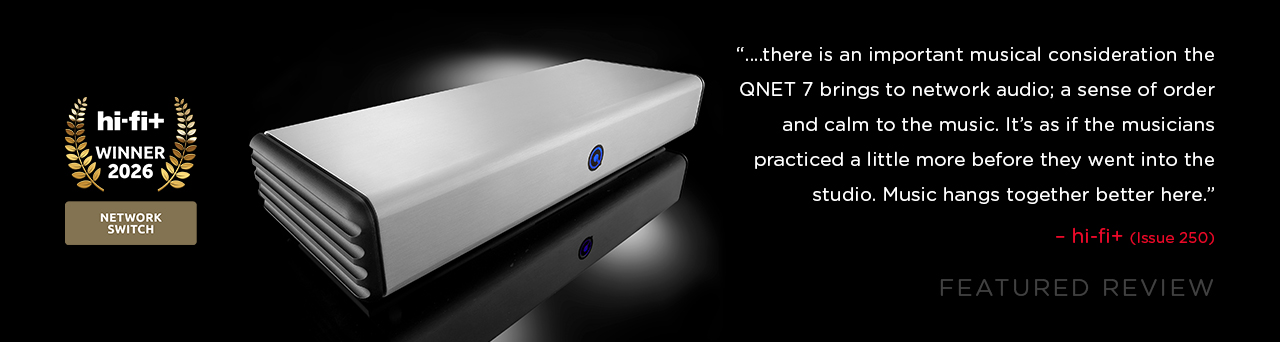
設備評測:Nordost QNET 7
文|Alan Sircom Reproduced from hi-fi+ Issue 250 翻譯|Google Gemini 編輯、潤稿|巨禮小編
原文網址:https://www.nordost.com/assets/images/review-images/review-pdf/hi-fi+%20250_Review_Nordost.pdf
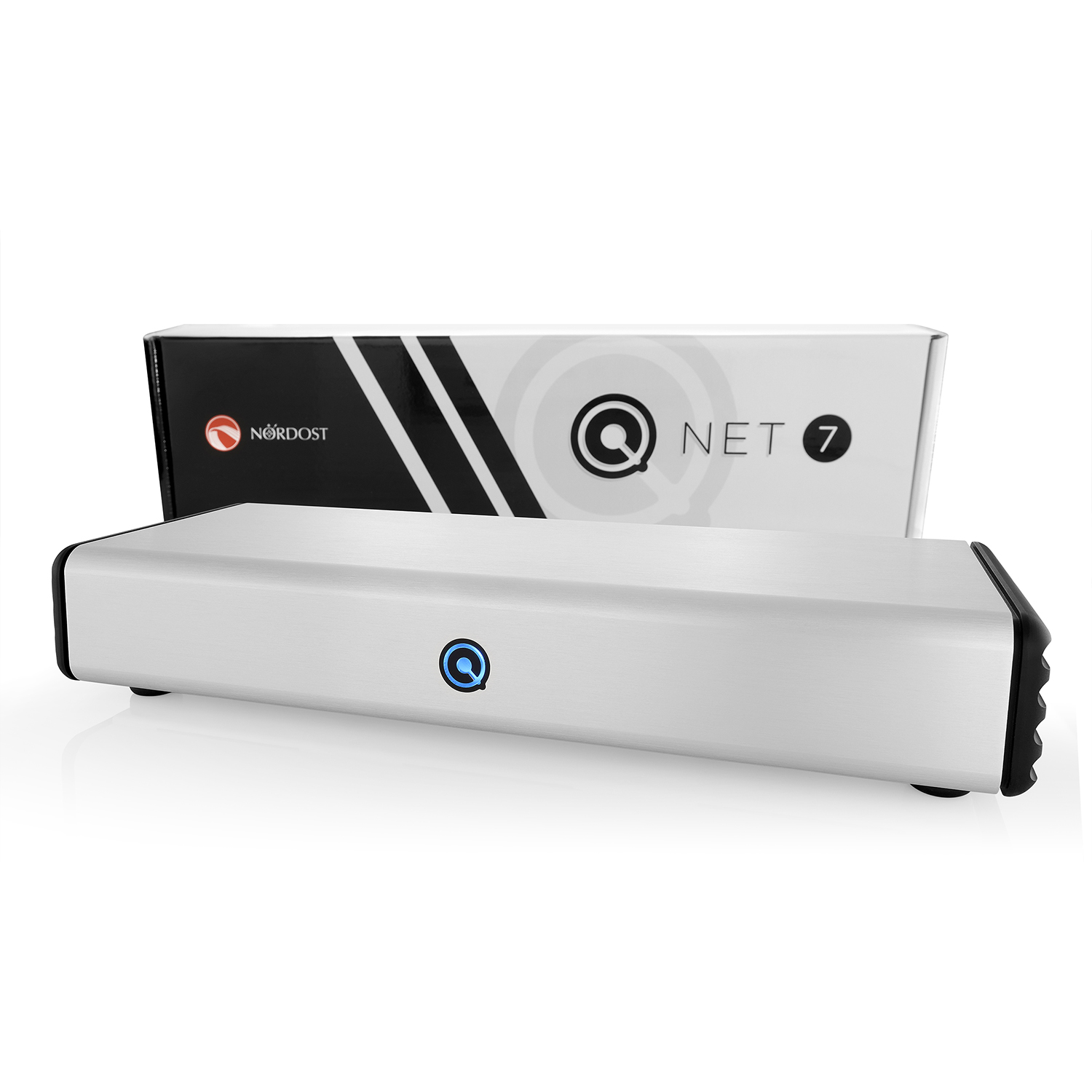
Nordost’s QNET 7 is derived from – and improves upon – the QNET audiophile network switch we reviewed in Issue 209. It sits above the QNET and does not replace it. However, many existing QNET owners will replace it with the QNET 7 for two reasons. First, it does what the QNET does, but better. And secondly, its shelf appeal compared to the large hockey puck-shaped original.
Nordost 的 QNET 7 源自於我們在第 209 期評測過的 QNET 發燒級網路交換器,並在此基礎上進行了改良。它的定位高於 QNET 且並非取代之作。然而,許多現有的 QNET 用戶可能會基於兩個原因升級為 QNET 7:首先,它繼承了 QNET 的所有功能且表現更佳;其次,相較於原版巨大的冰球造型,新款的機箱外型更具美感且更易於擺放。
However, before focusing on the specifics of QNET and why the QNET 7 improves on its performance, it’s worth asking why should there be a need for an audiophile network switch in the first place? Ethernet devices send data in packetised form, which means that – unlike a datastream – the chances of data being corrupted in transmission is effectively zero. However, beyond the signal itself, there is a lot of noise that is inherent to the transmission process. This noise isn’t ‘data intrusive’ but can undermine sensitive audio and video equipment reading that data.
但在深入探討 QNET 的細節以及為何 QNET 7 能提升效能之前,我們值得先問一個問題:為什麼音響系統會需要發燒級的網路交換器?乙太網路設備以「封包化」形式傳送數據,這意味著與連續數據流不同,數據在傳輸中損壞的機率幾乎為零。然而,除了訊號本身之外,傳輸過程中還存在許多固有的雜訊。這種雜訊雖然不會破壞數據完整性,卻會干擾敏感的影音設備讀取數據的精確度。
圖書館裡的「靜」界 The body in the library
註:原標題借用了阿嘉莎·克莉絲蒂的推理小說名,此處雙關「靜」界與「境界」。
It’s like reading a book in a library and doing the same on a busy street; the book, the words, your eyes and the cognitive process required to translate those squiggles into meaningful text are unchanged, but your enjoyment of the reading process will be very different. Most switches are not built to reduce that extraneous noise because it’s irrelevant for most kinds of file handling. The best audiophile switches (such as the Nordost QNET models) specifically address ‘audio intrusive’ interference, particularly electromagnetic interference and noise in the radio frequency bands.
這就像是在安靜的圖書館看書,與在繁忙街道上做同樣的事情;書本、文字、你的眼睛以及將這些線條轉化為有意義內容的認知過程都沒變,但你閱讀過程的享受程度卻會大相徑庭。大多數交換器的設計並非為了降低這些額外雜訊,因為對於一般檔案處理來說,這無關緊要。而頂尖的發燒交換器(如 Nordost QNET 系列)則專門處理「音訊侵入性」干擾,特別是電磁干擾 (EMI) 和射頻 (RF) 頻段的雜訊。
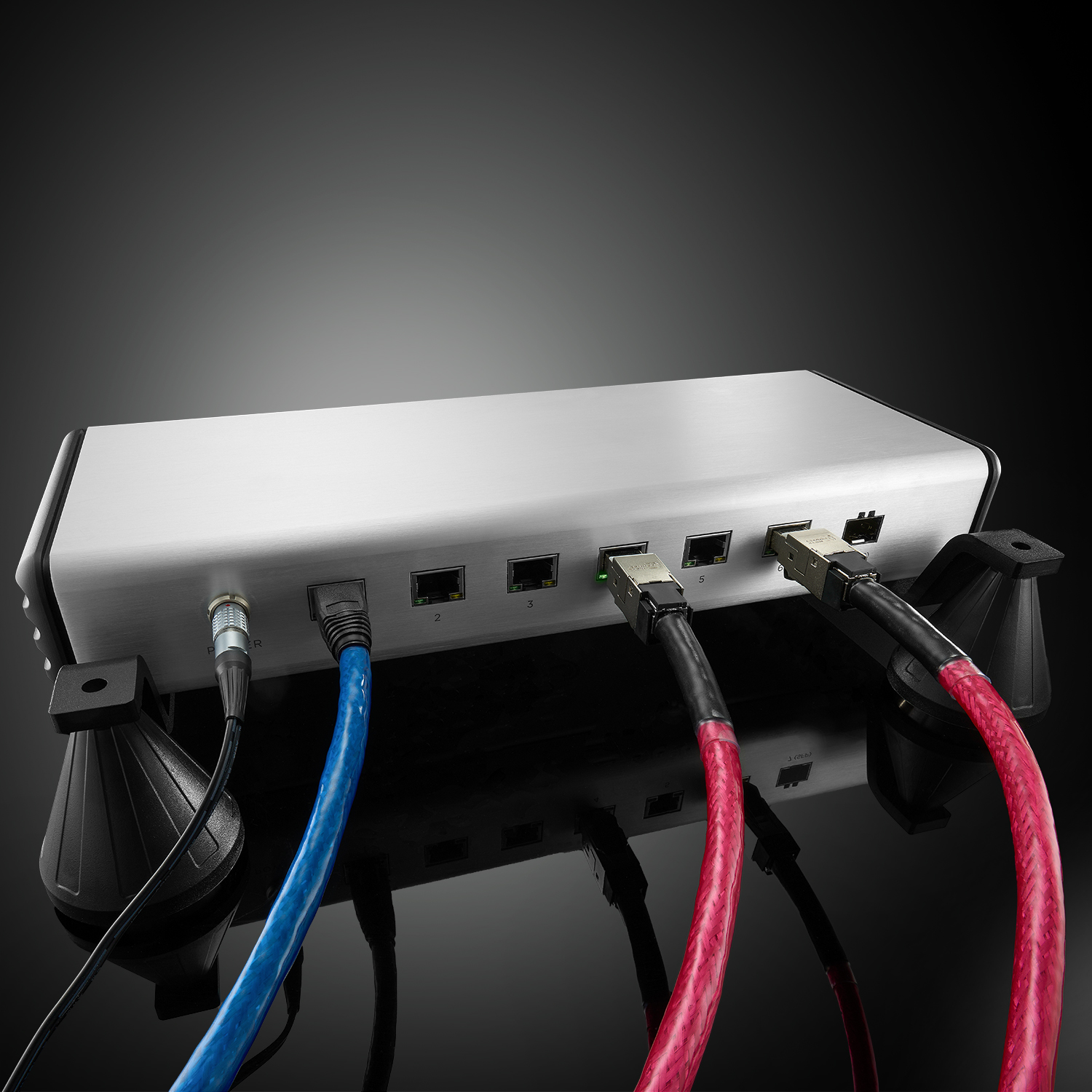
While galvanic isolation helps keep some of this interference in check, broadly speaking, the better the network audio devices, the more sensitive they get to this kind of interference. QNET 7 takes this interference and noise control and runs with it. Curiously, where most audiophile switches – including the QNET – rely on 100Mbps (100BASE-TX) ports, ports one to five of Nordost’s QNET 7 features faster, Gigabit Ethernet (1000BASE-T) ports, with just the sixth port using a 100BASE-TX.
雖然電氣隔離(Galvanic Isolation)有助於控制部分干擾,但廣義來說,網路音訊設備的等級越高,對這類干擾就越敏感。QNET 7 繼承並強化了這種干擾與雜訊控制。有趣的是,大多數發燒交換器(包括原版 QNET)通常依賴 100Mbps (100BASE-TX) 埠,但 QNET 7 的第 1 到第 5 埠採用了更快速的 Gigabit 乙太網路 (1000BASE-T) 埠,僅第 6 埠維持 100BASE-TX。
Apparently, in listening tests, Nordost found the Gigabit ports are quieter when used with network attached storage (NAS) or routers, with the 100Mbps port adding additional noise control making it ideal for streamers or network DACs. The final port is compatible with both 1000BASE-T and fibre-optic SFP transceiver modules. Seven ports for a network audio system might seem a little excessive at first glance, but an active Linn system could fill almost every port on the QNET 7.
顯然在聽力測試中,Nordost 發現當 Gigabit 埠與網路儲存裝置 (NAS) 或路由器配合使用時更為寧靜;而 100Mbps 埠提供的額外雜訊控制,則使其成為串流播放機或網路 DAC 的理想選擇。最後一個連接埠則可相容於 1000BASE-T 以及光纖 SFP 模組。對於一套網路音響系統來說,七個連接埠乍看之下似乎有點過多,但一套主動式的 Linn 系統幾乎能插滿 QNET 7 的所有埠。
「架」勢十足 Shelf assured
註:雙關「Self-assured (自信)」與「Shelf (音響架)」,意指外型更適合上機架。
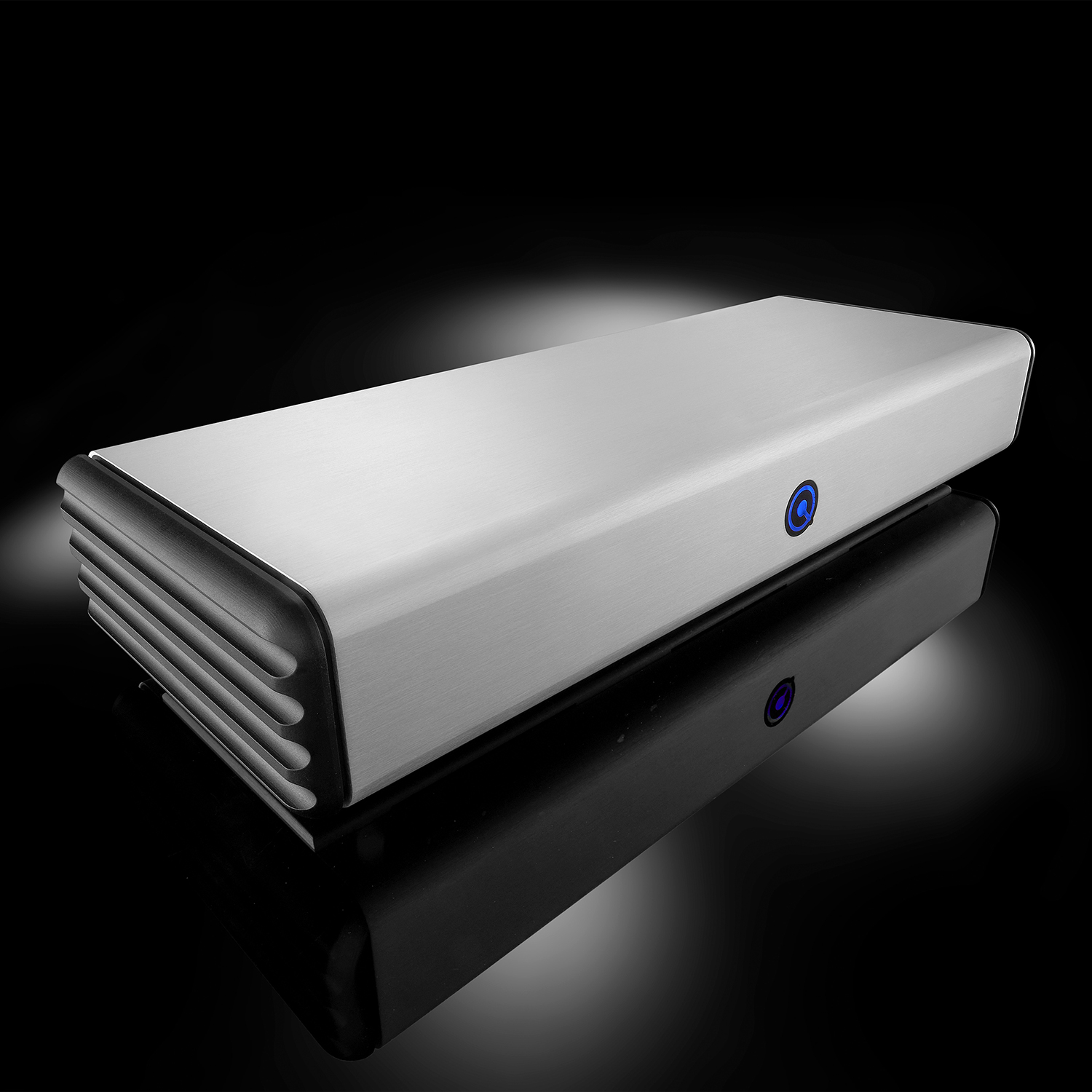
The novel QNET layout might have been a good way to reduce socket-to-socket interference, but it wasn’t the most aesthetically pleasing layout. By putting QNET 7 in a more conventionally shaped box, it can sit on a standard shelf of an audio rack, and no Gordian knot of Ethernet cables is on show. To a reviewer, who likely always has cables strewn around the room, this seems like no big deal, but to many having those neatly dressed cables out of sight lines makes a lot of sense.
原版 QNET 那種新穎的佈局或許是減少插座間干擾的好方法,但在美感上並非最理想。透過將 QNET 7 放入傳統形狀的機箱,它可以穩妥地放置在音響架的標準層板上,且不會看到如「戈耳狄俄斯之結」般雜亂糾結的乙太網路線。對於總是讓線材散落一地的評論員來說,這似乎沒什麼大不了,但對許多人而言,讓這些整齊排列的線材消失在視線之外是非常明智的。
The QNET 7 retains the physical separation and equidistance between ports seen in the QNET. This minimises crosstalk between adjacent ports. Couple that with the QNET 7’s eight-layer boards (compared to the six-layer PCBs in the QNET) and nine power supplies, and you have a switch that introduces as little as possible internal angst to glom onto that packetised data. QNET 7’s more conventional shape does have an additional benefit. It can be supplied with two Stand Mount outriggers that allow the switch to sit on four Sort Kones.
QNET 7 保留了原版 QNET 埠與埠之間的物理隔離與等距設計,這能將相鄰埠之間的串音干擾降至最低。再加上 QNET 7 採用的八層電路板(QNET 為六層)以及九組電源供應,這使得交換器內部產生的干擾降到極低。此外,QNET 7 的傳統外型還有一個額外好處:它可以配備兩個支架擴充翼,讓交換器能安穩地架在四個 Sort Kones 避震錐上。
「網」事只能回味?What about QNET?
註:雙關「往事」與「網 (Network)」,暗指舊款 QNET 在新款面前已成過去。
Is the QNET+QSOURCE better or worse than QNET 7 with a basic power supply? I’d say they are about even, with maybe the original QNET+QSOURCE having the edge on dynamic range. Just. However, when you compare QNET and QNET 7 with QSOURCE feeding both of them, QNET is simply outclassed. It’s by no means a bad device but the additional levels of noise-busting in the QNET 7 make it hard to go back.
「QNET 搭配 QSOURCE 線性電源」會比「QNET 7 搭配基本電源」更好還是更差?我會說兩者平分秋色,原版 QNET + QSOURCE 在動態範圍上或許僅有些微優勢。然而,當兩者同時由 QSOURCE 供電進行比較時,QNET 顯然被完全超越了。它絕非平庸之輩,但 QNET 7 在雜訊消除上的進化,讓人一旦聽過就難以回頭。
好,還要「更好」?More excellent-er?
註:呼應原文刻意寫錯的 "excellent-er",以此反問進步是否還有極限。
The original QNET lets the music be smooth sounding, with quieter backgrounds. It helps bring out detail and dynamic range that are held in check by the system itself. QNET 7 does all that and more. Or is that ‘less’? It gets you further into the music and pushes that interference further into the shadows. If the QNET was like having your window on the music wiped clean, QNET 7 is like putting that window in an ultrasonic bath.
原版 QNET 能讓音樂聽起來更流暢、背景更寧靜,幫助釋放被系統壓抑的細節與動態。而 QNET 7 不僅做到了這些,甚至做得更多。或者該說做得更「少」?它帶領你更深入音樂核心,將干擾進一步推向陰影。如果說 QNET 像是把音樂之窗擦拭乾淨,那麼 QNET 7 就像是將那扇窗放進超音波清洗槽中徹底淨化。
Beyond the ‘it did X better’ comparisons, there is an important musical consideration the QNET 7 brings to network audio; a sense of order and calm to the music. It’s as if the musicians practiced a little more before they went into the studio. Music hangs together better here. For once, ‘you pay more and get less’ is a positive thing!
除了「某項指標變好」的比較之外,QNET 7 為網路音訊帶來了一個至關重要的音樂性環節:一種井然有序且從容不迫的安定感。聽起來就像是樂手們在進棚錄音前,又多排練了幾回似地,讓音樂在此處展現出更完美的凝聚力與一體感。這再次證明了,它的作用在於剝除聽者與音樂之間的層層隔閡,而非對原音添加任何多餘的音染或更動。